Embarking on the journey of selecting the perfect auto insurance coverage level involves understanding various factors, assessing individual needs, and considering budget constraints. This guide will walk you through the essential steps to make an informed decision that suits your driving habits and financial situation.
Understand Auto Insurance Coverage
When it comes to auto insurance, it's crucial to understand the different coverage options available to protect yourself and your vehicle in case of an accident or other unforeseen events. Let's dive into the various aspects of auto insurance coverage to help you make an informed decision.
Types of Auto Insurance Coverage
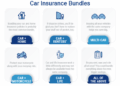
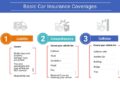
Auto insurance coverage can vary depending on the policy you choose. Here are some common types of coverage:
- Liability Coverage: This type of coverage helps pay for the other party's damages if you are at fault in an accident.
- Collision Coverage: This coverage helps pay for repairs to your vehicle if you are involved in a collision.
- Comprehensive Coverage: This coverage helps pay for damages to your vehicle that are not caused by a collision, such as theft or natural disasters.
- Uninsured/Underinsured Motorist Coverage: This coverage protects you if you are in an accident with a driver who does not have insurance or enough insurance to cover your damages.
Minimum Auto Insurance Requirements
Each state has its own minimum auto insurance requirements that drivers must meet. It's important to know the minimum liability coverage limits in your state to ensure you are compliant with the law.
For example, in California, drivers are required to carry at least $15,000 in bodily injury liability coverage per person, $30,000 in bodily injury liability coverage per accident, and $5,000 in property damage liability coverage.
Factors Influencing Coverage Level
Several factors can influence the choice of coverage level you need, including:
- The value of your vehicle: A newer or more expensive vehicle may require higher coverage levels.
- Your driving habits: If you have a long commute or frequently drive in high-traffic areas, you may want to consider higher coverage limits.
- Your financial situation: Your ability to pay out of pocket for damages can impact the level of coverage you choose.
- Your risk tolerance: Some drivers prefer to have more extensive coverage for added peace of mind.
Assess Your Needs
When evaluating your auto insurance needs, it's crucial to consider your driving habits and the risks you may encounter on the road. Different coverage levels are available to cater to various scenarios, so it's essential to assess your needs accurately.Factors to Consider
- Driving Habits: If you frequently commute long distances or drive in heavy traffic, you may need comprehensive coverage to protect against a wide range of risks.
- Vehicle Type: The type of car you drive can impact your coverage needs. For example, a new luxury vehicle may require higher coverage levels due to its higher value.
- Location: Where you live can also affect your insurance needs. Urban areas with higher rates of accidents or theft may require more coverage.
- Age: Younger drivers may face higher insurance premiums due to their lack of driving experience, while older drivers with a clean record may need less coverage.
Consider Budget Constraints
When it comes to choosing the right auto insurance coverage level, budget constraints play a crucial role in decision-making. Understanding how premium costs vary with different coverage levels is essential to find the balance between adequate coverage and affordability.Premium Costs vs. Coverage Levels
- Basic coverage typically comes with lower premiums, but it may not provide sufficient protection in case of accidents or damages.
- Opting for higher coverage levels means higher premiums, but it offers more comprehensive protection, including coverage for medical expenses, legal fees, and vehicle repairs.
- Consider factors like your driving habits, the value of your vehicle, and your financial situation when determining the right coverage level.
Benefits of Higher Coverage
- Higher coverage levels provide peace of mind knowing that you are adequately protected in various scenarios.
- They can help cover costly medical bills, legal fees, and repair expenses that may arise from accidents.
- Having higher coverage can also protect your assets and savings in case you are found liable for damages exceeding your coverage limits.
Balancing Coverage Needs with Budget Constraints
- Assess your financial situation and determine how much you can comfortably afford to pay for premiums each month.
- Consider increasing your deductible to lower your premium costs while still maintaining adequate coverage levels.
- Review your coverage periodically and adjust it based on changes in your financial situation, driving habits, or the value of your vehicle.
Review Policy Limits and Deductibles
When choosing the right auto insurance coverage level, it is crucial to review policy limits and deductibles. Policy limits determine the maximum amount your insurance company will pay for covered claims, while deductibles are the amount you must pay out of pocket before your insurance kicks in.Significance of Policy Limits
- Policy limits are crucial as they determine the maximum amount your insurance company will pay for covered claims.
- Having adequate policy limits ensures you are fully protected in case of an accident or other covered event.
- It is essential to review your policy limits regularly to make sure they align with your current needs and circumstances.
Impact of Deductibles
- Deductibles impact both your premium costs and coverage levels.
- A higher deductible typically results in lower premium costs but also means you will have to pay more out of pocket in the event of a claim.
- Conversely, a lower deductible will lead to higher premium costs but lower out-of-pocket expenses when making a claim.
Choosing Appropriate Limits and Deductibles
- Consider your budget constraints and risk tolerance when choosing policy limits and deductibles.
- If you have significant savings and can afford a higher out-of-pocket expense, opting for a higher deductible may lower your premium costs.
- On the other hand, if you prefer more financial protection and are willing to pay higher premiums, choosing lower deductibles might be the right choice for you.
Research Insurance Providers
When selecting an insurance company, it is crucial to conduct thorough research to ensure you are choosing the right one for your needs. Consider factors such as customer reviews, financial stability, and claim processing efficiency to make an informed decision.Factors to Consider
- Customer Reviews: Look for feedback from current and past customers to get an idea of the level of satisfaction with the insurance provider. Positive reviews can indicate reliable service.
- Financial Stability: Check the financial strength rating of the insurance company to ensure they can fulfill their financial obligations, especially when it comes to settling claims.
- Claim Processing Efficiency: Evaluate how quickly and efficiently the insurance provider processes claims. A smooth claims process can make a significant difference when you need to file a claim.
Importance of Choosing a Reputable Provider
Choosing a reputable and reliable insurance provider is crucial for your peace of mind and financial security. A reliable provider will ensure that your claims are handled promptly and fairly, giving you the support you need during difficult times.Final Conclusion
In conclusion, the right auto insurance coverage level is a balance between adequate protection and affordability. By carefully evaluating your needs, budget, and researching insurance providers, you can ensure you have the coverage that best fits your circumstances. Drive safely and confidently knowing you have the right coverage in place.
FAQ Insights
What factors can influence the choice of coverage level?
Factors like driving habits, risks, age, location, and car type can all influence the choice of coverage level.
How do policy limits impact coverage?
Policy limits determine the maximum amount your insurance will pay for a covered claim. Choosing appropriate limits is crucial to ensure adequate protection.
What are some tips for balancing coverage needs with budget constraints?
You can balance coverage needs with budget constraints by comparing the benefits of higher coverage with the added cost and selecting limits and deductibles that fit your financial situation.