When it comes to maximizing savings on car insurance, knowing how to compare different options is key. From understanding coverage basics to evaluating cost-saving strategies, this guide will walk you through the essentials of saving money while getting the coverage you need.
Understand the Basics of Car Insurance
 When it comes to car insurance, having a good understanding of the basics can help you make informed decisions that can lead to maximum savings. Let's dive into the key aspects of car insurance coverage and premiums.
Types of Coverage Options
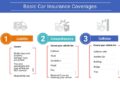
- Liability Coverage: This type of coverage helps pay for injuries and property damage that you cause to others in an accident.
- Comprehensive Coverage: Comprehensive coverage helps pay for damage to your car not caused by a collision, such as theft, vandalism, or natural disasters.
- Collision Coverage: Collision coverage helps pay for damage to your car in case of a collision with another vehicle or object.
Factors Influencing Car Insurance Premiums
- Driving Record: A clean driving record can lead to lower premiums, while accidents and traffic violations can increase your rates.
- Age and Gender: Younger drivers and males typically pay higher premiums due to higher risk factors.
- Vehicle Type: The make, model, and age of your car can affect your insurance rates.
- Location: Where you live and park your car can impact your premiums, with urban areas often having higher rates.
Importance of Deductible Amounts
- Choosing a higher deductible can lower your premiums, but you'll have to pay more out of pocket in case of a claim.
- On the other hand, a lower deductible means higher premiums but less money upfront if you need to file a claim.
- Consider your financial situation and driving habits when deciding on the deductible amount that works best for you.
Research and Compare Insurance Providers
When looking for car insurance, it is essential to research and compare insurance providers to find the best coverage at the most competitive rates. Here, we will list reputable insurance companies, analyze customer reviews and ratings, and compare discounts offered by different companies.Reputable Insurance Companies and Offerings
- State Farm: Known for excellent customer service and a wide range of coverage options.
- GEICO: Offers competitive rates and a user-friendly online platform for managing policies.
- Progressive: Well-known for its innovative Snapshot program that rewards safe drivers.
- Allstate: Provides a variety of discounts and personalized coverage options.
Customer Reviews and Ratings
- Check websites like J.D. Power and Consumer Reports for customer satisfaction ratings.
- Read customer reviews on platforms like Trustpilot and BBB to gauge the overall experience with each insurance provider.
Comparison of Discounts Offered
- Multi-Policy Discount: Many companies offer a discount when you bundle your auto insurance with another policy like home or renters insurance.
- Safe Driver Discount: Rewards drivers with a clean driving record by offering lower premiums.
- Good Student Discount: Available for young drivers who maintain good grades in school.
Evaluate Coverage Options
When comparing car insurance options, it is crucial to carefully evaluate the coverage options available to ensure you have adequate protection in case of an accident or other unforeseen events. Here is a breakdown of how to effectively assess coverage options and choose the right one for your needs.Comparing Coverage Limits and Options
- Start by reviewing the minimum coverage requirements in your state to ensure you meet the legal standards.
- Consider your financial situation and assets when deciding on coverage limits - higher limits provide more protection but come with higher premiums.
- Look at the different types of coverage available, such as liability, collision, comprehensive, uninsured/underinsured motorist, and personal injury protection.
- Compare deductibles for each type of coverage - a higher deductible typically means lower premiums but higher out-of-pocket costs in the event of a claim.
Matching Coverage to Individual Needs
- Assess your driving habits, such as mileage, routes, and frequency of driving, to determine the level of coverage you need.
- Consider factors like the age and value of your vehicle, as well as any outstanding loans or leases that may require specific coverage.
- Think about your personal preferences and risk tolerance when choosing add-on coverage options to tailor your policy to your individual needs.
Add-On Coverage Options
- Rental Car Reimbursement: Covers the cost of a rental car if your vehicle is in the shop for repairs after an accident.
- Roadside Assistance: Provides services like towing, tire changes, and fuel delivery if you break down on the road.
- GAP Insurance: Pays the difference between the actual cash value of your car and what you still owe on a loan or lease if your vehicle is totaled.
- Accident Forgiveness: Protects your premium from increasing after your first at-fault accident.
Consider Cost-Saving Strategies
When it comes to maximizing your savings on car insurance, there are several strategies you can consider to lower your premiums and get the best deal possible.
Bundling Policies for Savings
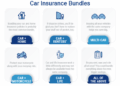
One effective way to save on car insurance is by bundling multiple insurance policies with the same provider. This means combining your car insurance with other types of insurance, such as homeowners or renters insurance. By bundling your policies, insurance companies often offer discounts, ultimately reducing your overall insurance costs.
Impact of Driving Habits on Premiums
Another factor that can influence your insurance premiums is your driving habits. Insurance providers often take into account factors such as your driving record, mileage driven, and the frequency of your drives. Maintaining a clean driving record and driving fewer miles can help lower your insurance premiums, as you are viewed as a lower risk to insure.
Comparing Quotes for the Best Deal
Lastly, it is essential to compare quotes from multiple insurance providers to find the best deal. Each insurance company has its own criteria for determining premiums, so getting quotes from different providers allows you to compare prices and coverage options. Be sure to consider both the cost and the coverage offered when comparing quotes to ensure you are getting the most value for your money.
Last Word
In conclusion, by following the steps Artikeld in this guide, you can make informed decisions when comparing car insurance options. Remember, finding the right coverage at the best price requires a bit of research and understanding your individual needs. Start comparing today and start saving!
FAQ Compilation
How can I lower my car insurance premiums?
You can lower your car insurance premiums by taking advantage of discounts, maintaining a clean driving record, and comparing quotes from multiple providers to find the best deal.
What factors influence car insurance premiums the most?
Factors such as driving record, age, location, and type of vehicle can significantly influence car insurance premiums.